0 items in Cart
Your cart is empty
Why is gold a good investment for your long‑term plans? You hear about it on the news, see prices move, and may even have a few coins or a gold chain at home, but you might still wonder if it actually fits your money goals. Gold has a long history as money, as savings, and as a way to pass wealth to the next generation. It behaves differently from stocks and bonds, and that difference can help steady your total net worth during rough markets. If you understand how people use gold and the ways you can buy or sell it, you can decide if it deserves a place in your portfolio.
Gold has many uses, which is one big reason it keeps its value over time. The largest share of demand comes from jewelry, where people buy it for beauty, tradition, and as a form of savings they can wear. Central banks also hold gold as part of their reserves, because they want something solid that does not depend on any one country or company. On top of that, you see gold used in electronics, medical tools, and other gear where its ability to conduct electricity and resist rust really matters.
From your point of view as an investor, you mainly care about gold as a store of value and a way to spread risk. During periods of high inflation, many people move some of their savings into gold to help protect their buying power. During banking or market stress, investors often buy gold as a "safe harbor," which can push prices higher while stocks fall. Because gold has its own set of buyers and uses, it does not always move in the same direction as other assets, and that mix is part of what can make gold a good investment for you.
You might ask, "If gold does not pay interest, why do people still buy it?" One big reason is fear of inflation and currency decline: when cash buys less each year, gold has often held its buying power better than paper money. People also like that gold is something you can hold in your hand, not just numbers on a screen, which gives a sense of safety when headlines look rough. In many families, gold jewelry and coins are also used to show status, celebrate events, and pass wealth down.
Another reason people buy gold is to balance the ups and downs of their portfolio. Gold often moves differently than stocks and bonds, so a small slice in gold can soften the blow when markets drop. That does not mean gold always goes up during trouble, but its track record as a crisis hedge is long. Put simply, people buy gold because they want something scarce, widely trusted, and easy to sell if they ever need quick cash.
You have more than one way to get exposure to gold, and each option fits a different style and comfort level. Some people like physical metal they can store, while others prefer paper claims they can trade through a brokerage account. As you read the choices below, think about your budget, your time frame, and how hands‑on you want to be with storage and insurance. A trusted local coin and bullion shop can walk you through these choices and help you compare them side by side.
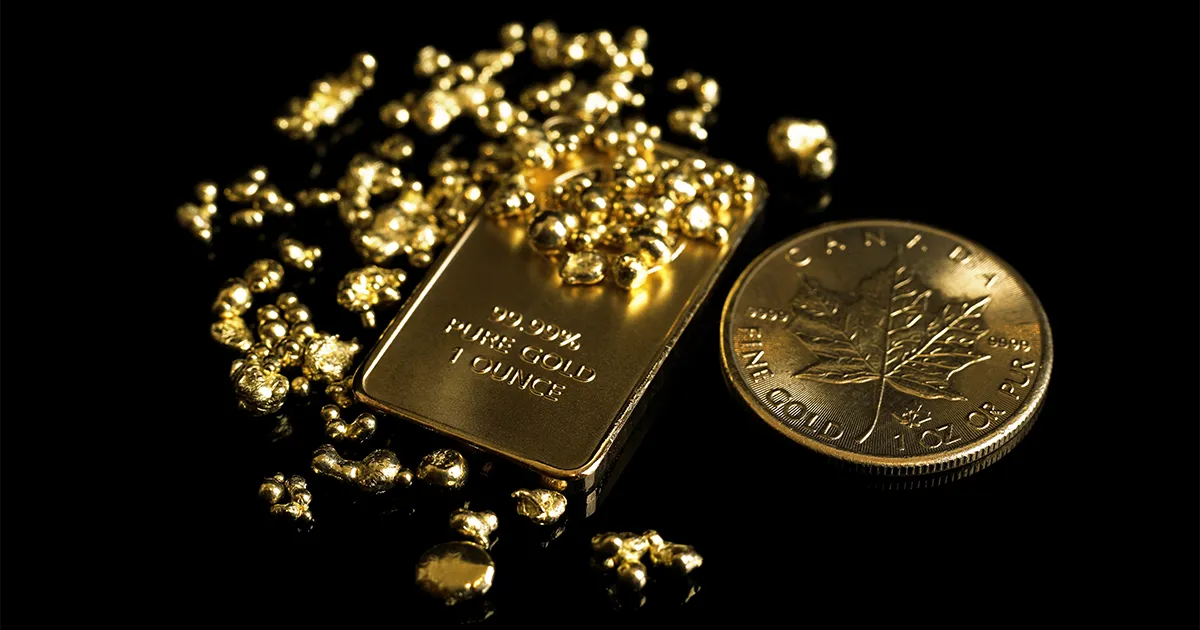
Gold bars are a direct, simple way to own physical gold. They usually come in higher purity, with the weight and maker's mark stamped on each bar, and they often carry lower premiums over the spot price than small coins. Because bars can be worth a lot in a single piece, they work well if you want to put a larger amount into gold at once. The trade‑off is that you must think about secure storage at home or in a safe deposit box, plus insurance for peace of mind.
If you plan to buy or sell bars, working with a reputable dealer matters. A good local shop tests bars, verifies purity, and stands behind what they sell. That testing protects you from fakes and gives you confidence when it is time to sell back.
Gold coins are another popular choice, and many new buyers start here. Coins are often smaller than bars, which makes them easier to trade or sell in parts, and many people enjoy the history and designs. Some coins have added value because of their age, condition, or rarity, not just their metal content, which can lead to higher resale prices if collectors want them.
You can find all types of coins, from older pieces to newer bullion coins made mainly for investors. A local coin shop that deals in U.S. gold, silver quarters, older cents and nickels, and full collections can help you sort out which coins are priced only for metal and which have extra collector value. That way you know whether you are buying for gold content, hobby interest, or a mix of both.
Scrap gold comes from broken or old jewelry, dental gold, or other items that are no longer used. You might have a tangled chain in a drawer or a ring that no longer fits: together, they can add up to real money. Dealers often use an acid test or electronic tools to check what portion of the item is actual gold, then pay based on weight and purity.
Here is where a fair buyer matters: a good shop will explain the test, weigh your items in front of you, and make an offer you can accept or decline without pressure. Some shops also pay more for designer jewelry because they look at the style and brand, not just melt value. If you decide to sell scrap gold, you can turn forgotten pieces into funds for other goals, including fresh gold coins or bars that fit your investment plan better.
If you prefer not to deal with physical storage, you can use paper investments that track gold. Gold exchange‑traded funds (ETFs) are popular because you can buy and sell shares through a normal brokerage account, and each share represents a slice of gold held by the fund. This approach gives you price exposure without worrying about safes or shipping.
Gold mining stocks are another path, letting you buy shares of companies that dig gold out of the ground. Their prices can move more than the gold price itself, both up and down, because they also depend on costs, management, and business risks. Gold futures go even further and let traders use borrowed money to control large amounts of gold, but that added risk makes them better suited for very experienced investors. For most people looking for long‑term balance, physical gold or simple ETFs are easier to manage and understand.
So, should you add gold to your own mix of assets? For many long‑term investors, a small slice of gold, often around 5–10% of a total portfolio, can help smooth out swings, especially during inflation or market shocks. Gold does not pay interest or dividends, so it should not replace your growth holdings or your income investments. Instead, think of it as insurance, something you hope you never need but feel better having.
Your choice comes down to your risk comfort, your time frame, and how you feel about holding something real. If you decide gold fits your plan, start with an amount you are comfortable with and work with a dealer who tests items, pays fair prices, ships insured within a day or two, and gives honest advice. You can begin with one small coin or bar and build over time. Ready to see what your cash, coins, or old jewelry could do for you? Talk with a local gold and coin buyer, get a clear quote, and decide if now is the right moment to make gold part of your future.