0 items in Cart
Your cart is empty
Wondering why people invest in precious metals like gold and silver? You're not alone. Many investors turn to precious metals for smart reasons, whether it's preserving wealth, diversifying a portfolio, or finding security in shaky times. Gold, silver, platinum, and even rhodium have captivated collectors and investors for centuries. And yet, what really drives this steady demand? Let's break down the main motives and help you decide if precious metals deserve a spot in your strategy.
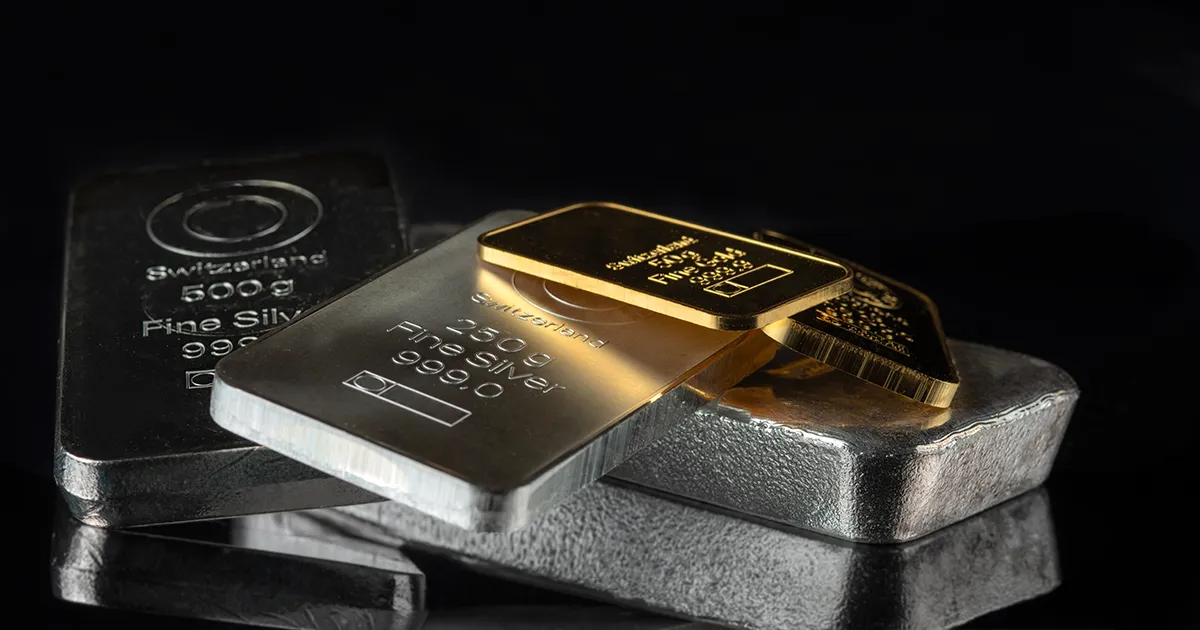
Gold and silver are more than just shiny treasures. They represent a form of money with a story as old as civilization itself. Coins such as Morgan and Peace dollars or silver Washington quarters weren't just used for spending, they were trusted because of the tangible value inside every piece. Gold, silver, platinum, and rhodium still draw serious investor attention, whether they come as bullion coins, bars, or classic U.S. and foreign coins.
What separates these metals from stocks or digital currencies? It comes down to something simple: scarcity and consistent demand. Metals are physically limited, mined from the earth, and used in everything from tech devices to jewelry. That steady demand and limited supply is what puts precious metals in a league of their own. For many, holding them feels like owning insurance for your hard-earned money.
Ever noticed how the cost of groceries creeps up over time? Inflation eats away at regular cash, but precious metals often keep their purchasing power when dollars lose value. Gold and silver carry intrinsic value, they're worth something on their own, regardless of fluctuating government currencies. When inflation spikes, metals tend to stand firm, so investors use them as a buffer for their savings.
No one likes putting all their eggs in one basket, especially investors. Precious metals don't follow the same ups and downs as the stock market or bonds. In a year when most other investments might tumble, metals can stay steady or even climb. Even financial advisors suggest sliding 5% to 10% of your portfolio into metals just to add some balance. It's a safety net during those roller-coaster years.
Remember the market chaos that pops up during crises? While stocks bounce around, metals like gold and silver usually become more popular. People take comfort in items they can actually hold, coins, bars, and rounds remain valuable even if online trading halts. This physical safety and the sense of control it brings give metals a distinct edge in uncertain times.
Why do precious metals hold on to their value while so many other things fade? Scarcity. There's only so much gold and silver around, and mining it is no small feat. At the same time, industries crave these metals for manufacturing, while collectors hunt down items like Indian Cents or Barber Quarters. They've been prized for centuries, making them a solid choice for anyone focused on passing down wealth or simply protecting what they have.
Your choices stretch far beyond gold bars kept in a bank vault. Physical options include everything from bullion coins and rounds to collectible items like original dollar rolls and classic U.S. coins. You'll also find foreign coins and paper currency, for both casual collectors and serious investors. If you prefer something more paper-based, exchange-traded funds (ETFs), self-directed IRAs, and even stock in metals mining companies are all available.
So which route fits you best? Physical metals put something real in your hand, gold coins, silver bars, or even carefully curated collections you can store securely. You control them directly, and that appeals to investors wary of technology hiccups. Paper investments, meanwhile, offer ease of trading through stocks and ETFs, usually with lower storage costs and easy liquidity. Both have their place, but physical metals tend to provide more peace of mind when you want stability above all else.
Just because metals offer security doesn't mean their prices never move. Gold, silver, platinum, and rhodium all swing up and down, sometimes quickly. Liquidity makes a difference here. Most gold and silver coins or bars can be sold promptly, but rare or highly specialized items may take longer to convert to cash. Always factor in price changes and how easily you could sell your holdings if needed.
Planning is key. Each precious metal serves a different purpose: gold is prized for long-term security, silver often appeals for affordability and utility, and platinum or rhodium draw interest for modern industry use. Think about your goals before buying, are you safeguarding a nest egg, hunting for collection value, or seeking hedge protection? Pick the metal mix that matches your plans and comfort level.
Precious metals answer a simple question: how do you protect what matters, no matter what happens with money or markets? From gold coins to silver bars or classic U.S. collections, they offer security and independence other investments struggle to match. If you're curious about adding metals to your investments, start by exploring the types and options available locally. Reach out for a trusted appraisal or consultation, and watch how a little diversification can make a real difference in your financial future.