0 items in Cart
Your cart is empty
Is silver a good investment? That's a question you're wise to be asking, especially as prices swing and economic headlines fill your newsfeed. Silver often sits in the shadow of gold, yet its role in industry, history, and investing can't be overlooked. Whether you're drawn to shiny bullion, classic Morgan and Peace dollars, or want to diversify your portfolio, silver's unique blend of pros and cons deserves a closer look. Ready to see if adding silver could suit your goals? Let's break it down.
When you weigh gold compared to silver, a few stark differences stand out. Gold is widely known for its stability, it tends to move less on wild market days. The annual volatility for gold hovers around 15%, while silver can swing twice as much. That means silver prices can rise fast in economic booms, yet tumble just as quickly in rough patches.
Affordability gives silver an edge. While a single kilogram of gold sits around $130,000, silver's the more wallet-friendly option, well under $2,000 for the same weight. But here's the twist: more of silver's demand comes from industry, not just jewelry or banks. In contrast, gold's demand leans on central banks and investors, helping it hold value when markets turn shaky. Over decades, gold outpaces silver in pure returns, though neither matches a well-balanced stock portfolio's growth. Both metals protect against inflation, but gold is typically chosen first for long-term security.
Yet, silver shines for those who want accessibility and are willing to accept a rockier ride for potential gains. Pairing them can bring balance, but know exactly what you're after before stacking either metal.
Silver isn't just for coins or collectors, it's a workhorse in dozens of industries. Over half of today's silver demand comes straight from manufacturing and tech. Think about components inside your smartphone, electric cars, or the solar panels powering more homes each year. Silver's conductivity and durability make it essential for electronics, medical gear, batteries, and water purification, too.
Because so much silver ends up in products, its price is tied to industrial growth. When factories hum and new gadgets flood the market, silver prices can surge. But in slowdowns, silver sometimes drops more than gold, since companies scale back and buy less. That's why many investors keep a close eye on tech and green energy trends when sizing up the future of silver.
Multiple paths exist to put silver into your investment mix, each with pros, drawbacks, and some quirks you'll want to know about.
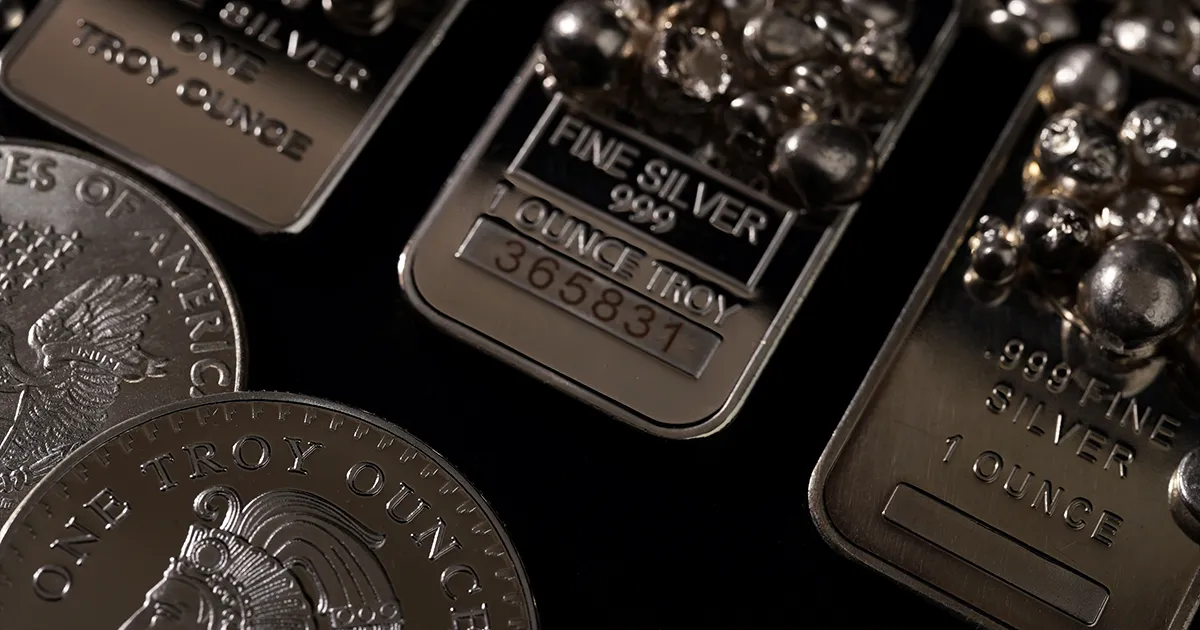
Silver bars are the classic choice for anyone who likes to physically hold their investment. Available in sizes from small one-ounce pieces to hefty kilo (or larger) bricks, bars are inexpensive per ounce compared to coins. But before you buy bars, think about storage and insurance. Silver is bulky and heavy, worth far less per pound than gold, so protecting a reasonable dollar value takes up more space and effort. Home safes or professionally insured vaults become nearly mandatory when you go beyond a few bars.
Investing in silver coins opens the door to a wider audience, especially if you like items with a touch of history. Coins such as Morgan and Peace dollars or modern American Eagles are easily bought, sold, or collected. U.S. quarters and dimes minted before 1965 contain real silver, and their collectible value can outpace their metal content in some cases. Coins are usually more liquid than bars, making them popular for retail investors. Their extra minting cost adds a premium, but many find that's worth the flexibility and potential for added value if you pick sought-after types or rare issues.
If you'd rather skip the hassle of safes and shipping charges, paper silver is a modern solution. Exchange-traded funds (ETFs) let you track silver's price with the click of a button, while mining stocks move with both company performance and the value of silver itself. Futures contracts attract more aggressive traders who want to speculate on silver's swings. Paper-based investing brings high liquidity and lower storage costs, but you don't actually own the metal, just its price action. For many, a combo of ETFs and a handful of coins or bars keeps options open and risk balanced.
So, should you invest in silver? If you're comfortable handling more ups and downs, silver can pump up your portfolio, especially when industry demand soars or interest rates drop. Many advisors suggest a 3–6% allocation to silver in aggressive or moderate portfolios, and a lighter 2–3% spot if you're more cautious. Pairing it with gold, at 5–10%, can offer a shot at growth with less shock if markets lurch.
Here's one more tip: keep your reasons clear. Are you buying for sheer investment, as a hedge, or maybe even for collecting? Some find joy and potential upside in assembling sets of Morgan and Peace dollars, old U.S. coins, or adding foreign silver pieces. Others stick to bars or ETFs for simplicity. If financial safety is your top goal, remember that stocks outpace both metals over time, but precious metals bring peace of mind that stocks simply can't offer. Want to add silver to your plan or get an honest valuation? Work with a coin dealer who's trusted by collectors and known for transparent deals, your portfolio will thank you.