0 items in Cart
Your cart is empty
How to grade trading cards is a question many new collectors and long-time enthusiasts in the Newark area and across the country are asking. Whether you are sorting out an inherited box of sports cards or looking to invest in Pokémon and Magic: The Gathering cards, understanding card grading is essential. Graded trading cards carry standardized, trusted scores that confirm authenticity and raise confidence among collectors and buyers. Let's dig into why this process matters and how you can navigate it as a collector, client, or estate seller seeking dependable guidance.
Card grading plays a central role in both trading card collecting and investing. A professional grade provides two assurances: authenticity and a consistent condition rating. For collectors, this means building a collection around pieces with verified quality and true scarcity. For estate sellers or investors, graded cards translate to transparency and easier valuation, high grades such as PSA 10 are almost always in higher demand and command increased value in the marketplace.
This process fosters trust by removing guesswork from buying, selling, or appraising collections. Buyers know they're getting what the label promises, while sellers can demonstrate their card's quality at a glance. Eventually, whether you're preserving family treasures or building an investment portfolio, professionally graded cards remove doubts and support market confidence.
The trading card grading process involves careful, multi-step authentication. Grading companies first verify that your card is genuine and free from alterations, a key concern for those handling estate collections or rare finds. Next, trained graders assess four main areas: centering, corners, edges, and surface quality. These factors determine the base score on a standard 1-to-10 scale (for instance, PSA and CGC use this system: BGS includes half-point subgrades).
After the grading evaluation, the card is encapsulated in a secure, tamper-evident slab, labeled, and professionally imaged. You'll receive the card back along with its final grade label. Processing times depend on service level and company, typically ranging from weeks to several months, but the protection, authentication, and peace of mind for both collectors and sellers make the wait worthwhile.
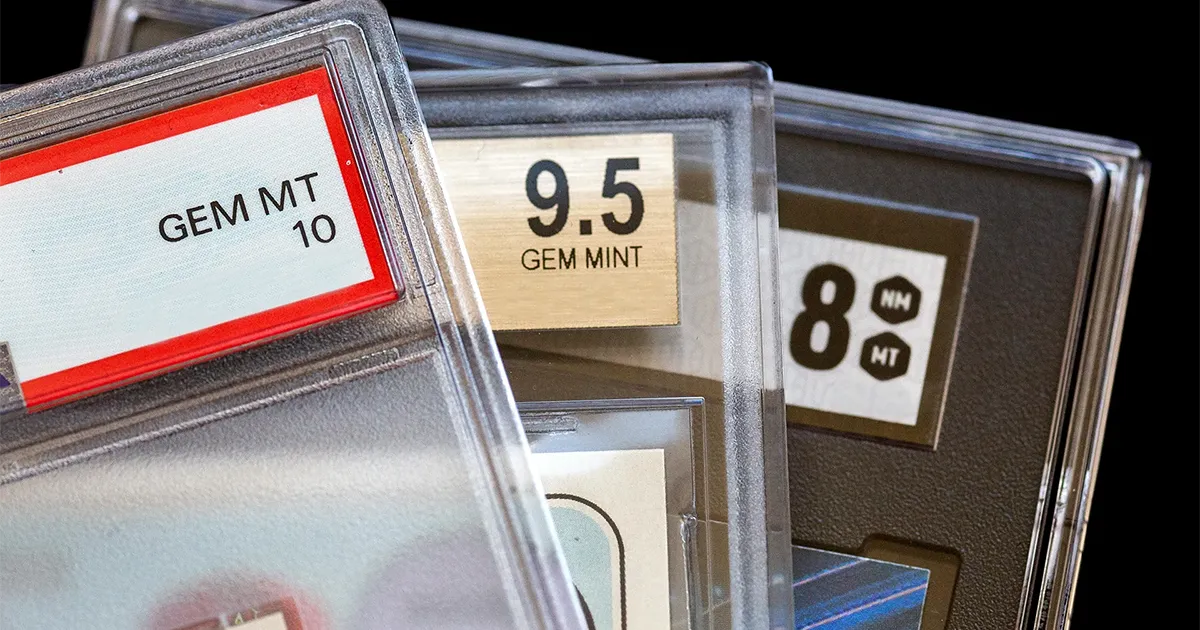
Selecting a grading company comes down to your priorities, cost, speed, and final presentation all matter. PSA is well known for its red label slabs and straightforward 1–10 grading scale, with most submissions in the $25 and up range, and typical turnarounds around 95 business days. BGS features half-point grades and detailed subgrades (grading each of centering, corners, edges, and surface), with service fees between $15 and $125 depending on speed and insurance. CGC is a rising choice for trading card game cards like Pokémon and Magic, charging $11 to $150 and offering specialized slabs for these series.
Consider the resale market's preference (PSA has broad recognition, BGS appeals to detail-oriented collectors, and CGC specializes in TCGs), submission costs, and how you want your collection displayed or sold. For many, the look and reputation of the slab matter just as much as the grade.
Every professional grader follows core standards to determine a card's numeric score. Centering examines whether the printed image is evenly positioned within the borders, off-center cards lose marks even without other flaws. Corners and edges must remain free from chipping or dings, with sharp corners and clean, unblemished borders crucial for top grades like PSA 10 or BGS 9.5.
Surface quality is also vital. Scratches, print defects, or loss of original gloss downgrade cards quickly. Cards that retain sharp printing, lustrous gloss, and no creases score highest. Knowing these areas helps you pre-screen your collection before deciding to submit for grading, offering insight whether you're an experienced collector or evaluating cards from an estate.
Proper handling and preparation increase your chances of a favorable grade. Always wear clean hands or use gloves, and avoid touching card surfaces directly. Place cards in protective sleeves and rigid top loaders to guard against accidental damage. When filling out submission forms, list the correct declared value, grading companies use this to insure your shipment and determine fees. Some services, like PSA, require a minimum number of cards per submission (usually 20), so check requirements before sending.
Ship your cards using a tracked and insured carrier to protect against loss or mishandling en route. Most packages are returned within 1–2 business days after grading has finished, and shipping costs typically run $15–$40 per package. This careful approach helps both in-person clients and online collectors present cards at their best for grading.
After grading, you receive your card slabbed and labeled with its grade. Many companies supply online tracking, so you can follow each step, from receipt of your package through final processing. Cards that earn top grades, such as 9 or 10, can appreciate in value dramatically, often multiplying market prices compared to ungraded examples, especially for sought-after issues or rare finds.
Remember, markets change and values can fluctuate based on trends and demand, so historical performance does not guarantee future worth. Still, a professionally graded card offers a trustworthy standard, whether you're displaying, selling, or holding long-term. For both experienced collectors and estate sellers, this step provides clarity and confidence.
Grading trading cards protects both sentimental and financial interests by verifying authenticity and condition with standards the collecting community trusts. From proper preparation to choosing the right grading service, taking these steps benefits anyone seeking transparency and credibility for their collection. If you're ready to begin or want your cards professionally evaluated, reach out to our team, whether you visit us in Nutley, NJ or connect online, we're committed to honest assessment and expert service for all collectors and estate sellers alike.